










Ever played a card game and thought: "These cards are worth real money, but I don't own them—the company does"? Gods Unchained solves this instantly. Here, every card is a real digital asset on the blockchain that belongs to you alone. No servers that can shut down. No unilateral rule changes. Just you, your strategy, and your cards.
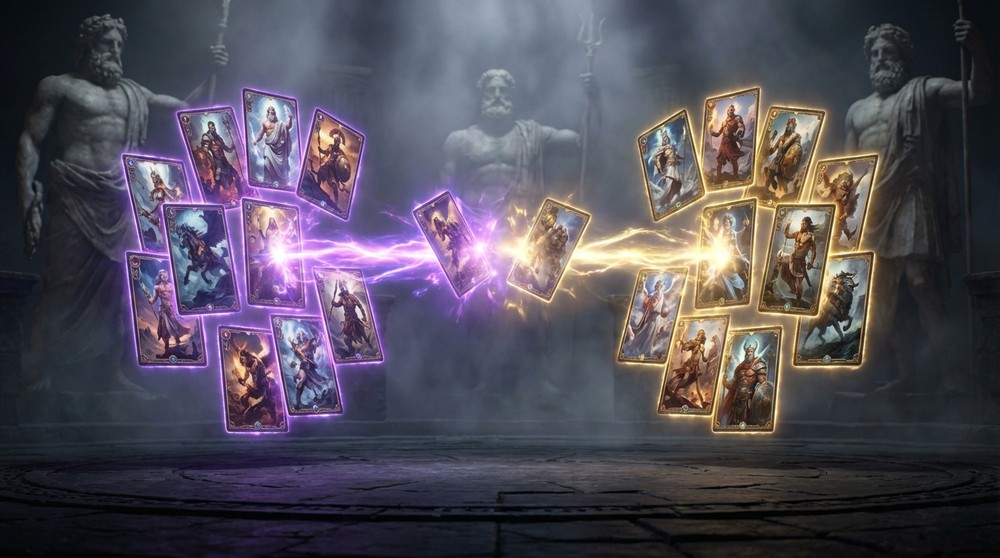
Battle for card ownership in Gods Unchained—the next-generation trading card game
Review Contents
- What is Gods Unchained?
- How to Play—Explained Simply
- Blockchain and True Ownership
- Gameplay and Mechanics
- 6 Gods and Their Playstyles
- Cards, Rarity and NFTs
- How to Earn in Gods Unchained
- $GODS Token—What It Is and Why
- Trading on the Marketplace
- Is It Free to Play?
- Pros and Cons
- Who Is This Game For?
- How to Start Playing
- FAQ
What is Gods Unchained?
Gods Unchained is a free-to-play strategic card game on Immutable X where players build decks from hundreds of unique cards and battle in tactical duels. Similar to Hearthstone or Magic: The Gathering—but here cards exist as real NFT assets that can be sold, bought and traded freely.
Developed by Immutable, a leading Web3 gaming studio, the project has attracted over 500,000 active players and built one of the most active secondary markets among blockchain games.
Key Difference from Traditional Card Games
In traditional games like Hearthstone or Legends of Runeterra, cards live on company servers. If the developer shuts down or bans your account, you lose everything. In Gods Unchained, cards live on the blockchain. They are yours forever, regardless of company decisions.
How to Play—Explained Simply
Imagine chess, but with mythological creatures and spells. You and your opponent start with set health points. The goal: reduce enemy health to zero before they do the same to you.
Each turn you gain mana—resource for playing cards. Higher mana cards are typically more powerful. Balance attack, defense and your god's special abilities to win.
Step 1—Choose Your God
Pick from 6 gods at match start. Each has a unique ability usable every few turns, radically changing playstyle.
Step 2—Build Your Deck
Your deck contains 30 cards: creatures, spells and relics. Proper card synergy is key to victory.
Step 3—Battle
Draw cards, play them, attack enemy creatures or their health directly. First to zero health loses.
Newbie Tip: Gods Unchained is easier to learn than Magic: The Gathering but deeper than basic Hearthstone. After 5-7 matches, you'll intuitively understand card synergies.
Blockchain and True Card Ownership
This is what makes Gods Unchained revolutionary. Here's what happens under the hood.
The game runs on Immutable X—a Layer 2 solution on Ethereum. What this means for you:
- Zero gas fees. Unlike Ethereum mainnet, Immutable X lets you trade cards absolutely free. No fees per sale or purchase.
- Instant transactions. Trades confirm in seconds, not minutes or hours.
- Eco-friendly. Immutable X uses ZK-rollups, consuming minimal energy compared to Ethereum mainnet.
- True ownership. Your cards are recorded on the blockchain. Even if Gods Unchained shuts down, cards remain in your wallet.
Why This Changes Everything
Remember how much you or friends spent on Hearthstone cards or in-game skins. Now ask: what happens when the game closes or bans your account? You lose everything. In Gods Unchained, this is solved at the architectural level. Your assets are actually yours.
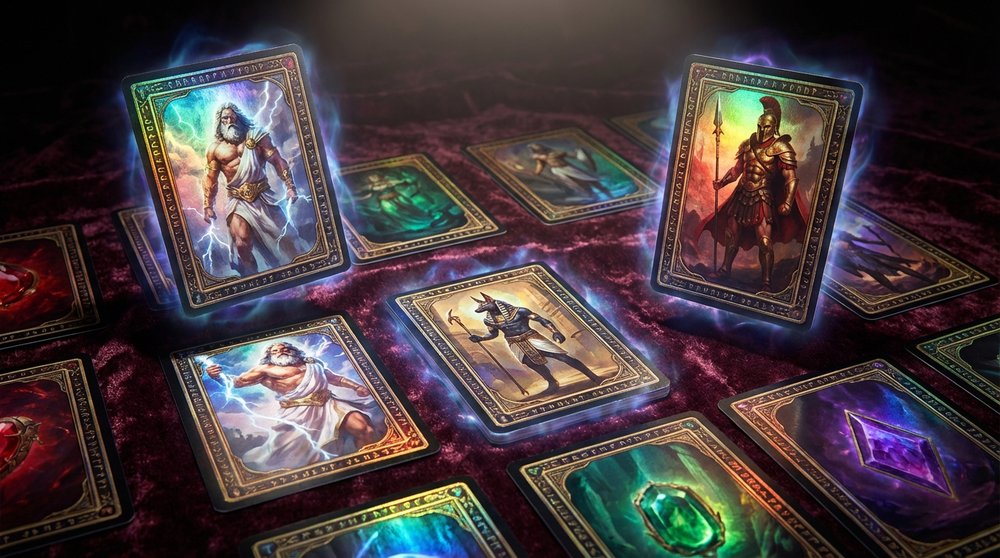
Gameplay and Key Mechanics
Gods Unchained features asymmetric strategy. Two players with identical card sets can play completely differently based on tactical decisions.
Main Card Types
Creatures
Main combat force. Each has attack and defense stats plus unique abilities—taunt (forces attacks on it), speed (attacks immediately when played) and others.
Spells
One-time cards with powerful effects. Deal damage, heal, destroy enemy creatures or buff your own. Timing is everything.
Relics
Weapons for your god. Give direct attack power and often have passive effects. Limited durability.
Mana System and Game Tempo
Turn 1 starts with 1 mana. Each subsequent turn increases max mana by 1 (up to 9). This creates natural game tempo: early turns use cheap cards for board control, late turns deploy powerful finishers.
Strategic Advice
The most common beginner mistake is playing cards just because they're in hand. Pros think 2-3 turns ahead. Sometimes holding a strong card for the perfect moment is better than playing it immediately.
6 Gods and Their Playstyles
God choice is your first and most important decision each match. Each represents a unique play archetype and unlocks specific card pools.
Ares—God of War
Aggressive style. Specializes in quick attacks and direct damage. Ideal for players who want fast, decisive matches.
Poseidon—God of Seas
Control style. Manipulates creature positions, uses freeze and slow effects. Hard to master but incredibly effective.
Gaia—Goddess of Nature
Swarm style. Creates many small creatures that synergize and strengthen each other. Very strong in longer matches.
Mortis—God of Death
Necromancy style. Uses graveyard cards and undead. Unique resurrection mechanics make him unpredictable.
Ludia—Goddess of Deception
RNG and tricks style. Uses randomness, concealment and deception. High risk, high reward.
Light—God of Light
Defensive style. Specializes in healing and creating invulnerable positions. Best for methodical control players.
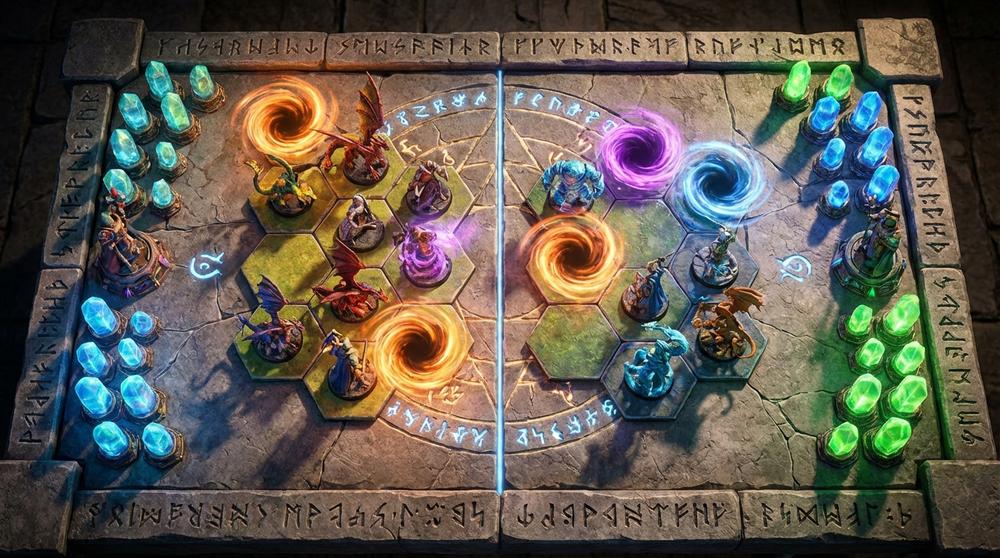
Cards, Rarity and NFTs—How It Works
Not all cards are equal. The rarity system determines both gameplay power and market value as NFT assets.
| Rarity | Color | Description | NFT Status |
|---|---|---|---|
| Plain | Gray | Basic cards given free on registration | Non-tradable |
| Shadow | Brown | Upgraded versions of basic cards | Tradable after fusing |
| Gold | Gold | Rare cards with unique visuals | Full NFT |
| Meteorite | Blue | High-quality rare cards | Full NFT |
| Shadow (NFT) | Dark | High rarity, special visual style | Full NFT |
| Diamond | White/Diamond | Ultra-rare cards, often worth hundreds | Full NFT |
Card Fusing System
One of the most interesting mechanics is fusing. Combine multiple plain cards of the same type to create a rarer version that becomes a full NFT asset sellable on the marketplace.
How Fusing Works
For example, fuse 2 Shadow cards of the same type to get 1 Gold card—rarer, with improved visuals and higher market value. This creates constant demand for plain cards since they're needed to create rare ones.
How to Earn in Gods Unchained
The question most new players ask. Here are all real monetization methods in Gods Unchained—no hype, no unrealistic promises.
Ranked Matches and Rewards
Win ranked matches to earn Flux—in-game currency used for fusing cards, creating rare NFTs and participating in special events.
Selling Cards on Marketplace
Rare cards earned as rewards or created through fusing can be sold to other players. Prices range from cents to hundreds of dollars.
Tournaments and Competitions
Gods Unchained regularly hosts tournaments with prize pools. Participation earns both in-game assets and real money.
$GODS Token Staking
Hold and stake $GODS tokens for additional rewards and in-game privileges. Long-term strategy for believers in the project.
Realistic Expectations
Gods Unchained is first a game, not an investment tool. Earning is real but requires time to learn mechanics, build strong decks and understand the market. Treat it as a bonus from your hobby, not primary income.
$GODS Token—What It Is and Why You Need It
$GODS is the native token of the Gods Unchained ecosystem. It serves several key functions in and out of the game.
- Card and pack purchases. Buy new card packs with $GODS on the official marketplace.
- Staking and governance. $GODS holders vote on game development and stake for rewards.
- In-game purchases. Cosmetic items, themes and other assets available for $GODS.
- Play rewards. Active competitive players receive $GODS as part of the reward system.
- Exclusive event access. Some tournaments and special modes require $GODS to enter.
Where to Trade $GODS?
The $GODS token trades on major centralized and decentralized exchanges including Binance, Coinbase and Uniswap. Always verify the official contract address on the game's website to avoid scams.
Trading on the Marketplace—Your Cards, Your Rules
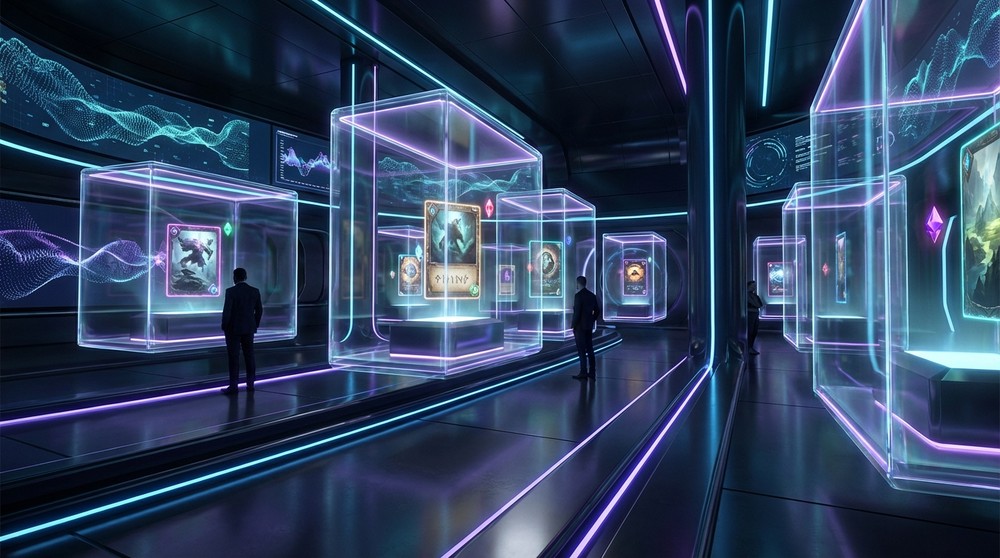
One of Gods Unchained's main advantages is the open card market. Unlike most card games where you can only "dust" unwanted cards for in-game currency, here you sell to real buyers for real money.
How Trading Works
The Gods Unchained marketplace runs on Immutable X, ensuring zero fees for buyers and sellers. Selling takes just a few clicks:
Is Gods Unchained Free to Play?
Yes, and this is a major selling point. The game is completely free to enter. On registration you get a starter set of 140+ basic cards—enough to build several working decks and start playing ranked matches.
What's Free
- 140+ starter cards on registration
- All game modes (ranked, casual)
- Daily quests with rewards
- Competitive season participation
- Basic tournaments
What Money Accelerates: Buying card packs with $GODS or ETH gives faster access to rare cards. However, skilled players with free sets can compete with paying players at mid-level ranks.
Important: Gods Unchained is a skill-based game. Rarer cards give advantages but don't guarantee victory. Many top players reach high ranks with modest decks through mechanic mastery and tactical thinking.
Honest Analysis: Pros and Cons of Gods Unchained
Advantages
- Completely free entry—no investment needed to start
- True card ownership via blockchain
- Zero marketplace fees (Immutable X)
- Deep strategic gameplay
- Active community and regular updates
- 6 different gods—high replayability
- Transparent economy and open market
- Tournaments with real prizes
- Beautiful graphics and detailed card art
- Browser-based—no download required
Disadvantages
- Highly competitive meta at top ranks
- Rare cards can be expensive for beginners
- Crypto wallet needed for trading
- Web3 tools learning curve
- Card market depends on community activity
- Some mechanics complex for absolute card game beginners
Who Is Gods Unchained Perfect For?
Do you see yourself in any of these profiles?
Card Game Fan
Played Hearthstone, Magic: The Gathering or Yu-Gi-Oh!? You'll instantly feel at home in Gods Unchained. Familiar mechanics with blockchain adding a new dimension.
Web3 Curious
Want to dive into NFTs and blockchain but don't know where to start? Gods Unchained is the perfect entry point. Learn by playing.
Strategic Thinker
Love chess, poker or games where thinking beats spending? Gods Unchained is your element. Here tactics and planning matter more than wallet size.
Collector
Attracted to owning rare digital items? Gods Unchained offers thousands of unique cards with stunning artwork.
How to Start Playing Gods Unchained—Step-by-Step Guide
Starting is easier than you think. Here's what to do right now:
Step 1—Registration
Go to the official Gods Unchained website and create an account. Only email required—no crypto wallet needed at this stage.
Step 2—Get Starter Cards
After registration, you automatically receive 140+ basic starter cards. Complete the tutorial—takes about 15 minutes and explains all basic mechanics.
Step 3—Choose God and Build First Deck
Pick a god matching your style. Light or Gaia recommended for beginners—they're more forgiving. Use the deck builder to create your first 30-card deck.
Step 4—Play and Learn
Treat your first 20-30 matches as training. Don't get discouraged by losses—each defeat teaches you mechanics and opponent strategies.
Step 5—Connect Wallet (Optional)
When ready to trade cards or receive NFT rewards, connect MetaMask or compatible wallet. This unlocks full marketplace functionality.
Ready to Try?
Thousands of players are battling in Gods Unchained right now. Your starter pack of 140 cards awaits—completely free.
Start Playing FreeFrequently Asked Questions
Is Gods Unchained fair? Can you just buy victory?
Gods Unchained is skill-based. Yes, rarer cards give advantages, but tactics and mechanic understanding matter more. Many top players compete with mid-tier decks and win through mastery.
Do I need to understand blockchain to play?
No. For basic play, just register with email and play like any online game. Blockchain features (trading, NFTs) are only needed if you want to sell or buy cards.
How active is the community?
Gods Unchained has one of the most active communities in blockchain gaming. Official Discord has tens of thousands of members, with regular tournaments, seasonal events and content updates.
Does it work on mobile?
Currently Gods Unchained is primarily desktop via browser or client. Mobile version is in development—follow official announcements.
What happens to cards if the game closes?
Since cards exist as NFTs on Immutable X blockchain, they remain in your wallet even if the game shuts down. You can sell them or transfer to other compatible platforms.
How to get rare cards for free?
Play ranked matches, complete daily quests and participate in seasonal events. The fusing system lets you create rare cards from common ones earned in-game.
Final Verdict
Gods Unchained isn't just "another blockchain game." It's a full-fledged strategic card game with solid mechanics, active community and real economy based on true ownership. Free to enter, fair to players and offering depth competitors lack.
If you like card games—try it. If you're interested in Web3—try it. If you just want an interesting game where time investment pays off—try it. Entry is free and your cards are yours forever.
This material is for informational purposes only and not financial or investment advice. Cryptocurrency assets and NFTs carry risks. Always do your own research before making financial decisions.